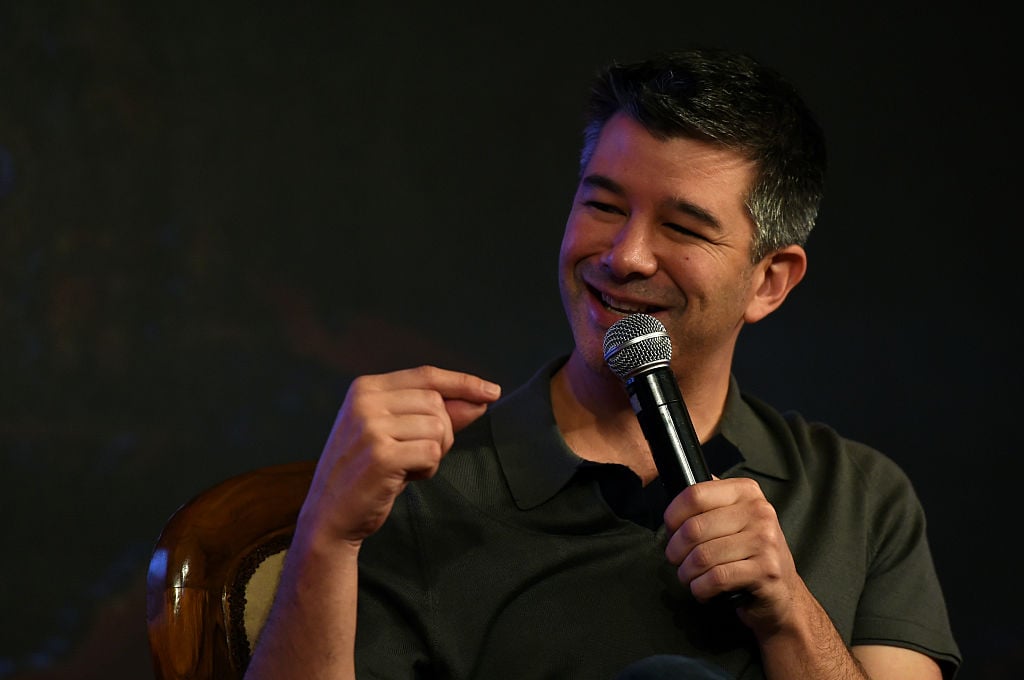
Travis Kalanick, co-founder and former CEO of ride-sharing company Uber, has been wrapped up in controversy as a result of his unethical business practices and treatment of his employees. Despite the Kalanick’s tireless efforts in building the foundation for this company, investors at Uber, including his fellow board members and co-founders, urged Kalanick to remove himself from his position as CEO ultimately leading to his resignation. While some of his questionable behavior can be attributed to his capitalistic motives putting his company’s interests ahead of his employees, others are due solely to his immaturity. He persistently reinforced an informal and inappropriate culture through emails promoting employees sleeping with each other at company events. On a company trip in South Korea, Kalanick was caught visiting an escort bar.
Furthermore, under Kalanick’s authority, numerous scandals were swept under the rug in order to protect the public opinion of his company. After an employee publicized her struggles facing sexual harassment in the workplace as well as how the Human Resource department entirely overlooked the situation. She specifically cited how Kalanick’s encouragement of a so-called party atmosphere in the workplace facilitated this sort of behavior to continue. In addition to the sexual harassment of employees, customers continually face similar issues with this ride-sharing app. For instance, a customer in India was brutally raped by a driver and sought legal action against the company. Rather than looking out for the customer’s best interests and helping her in a time of need, Kalanick and his advisors decided to acquire the medical documents in order to defend themselves against the victim by claiming the rape never happened. Another scandal in Brazil also resulted in Kalanick acting out of the interests of his company instead of basic human rights. Customers in Brazil were allowed to pay anonymously with cash rather than the standard credit card transaction before the ride. As a result, numerous drivers were robbed and even killed with no trace of these criminals. Rather than coming out publicly and admitting his mistake, he continued to allow these cash transactions for five months after finding out about the first murder of a driver. Although Travis Kalanick may not have acted out of ill will, his decisions as CEO of Uber were truly unethical and forfeited the basic human rights of numerous stakeholders.
 Me Myself and I